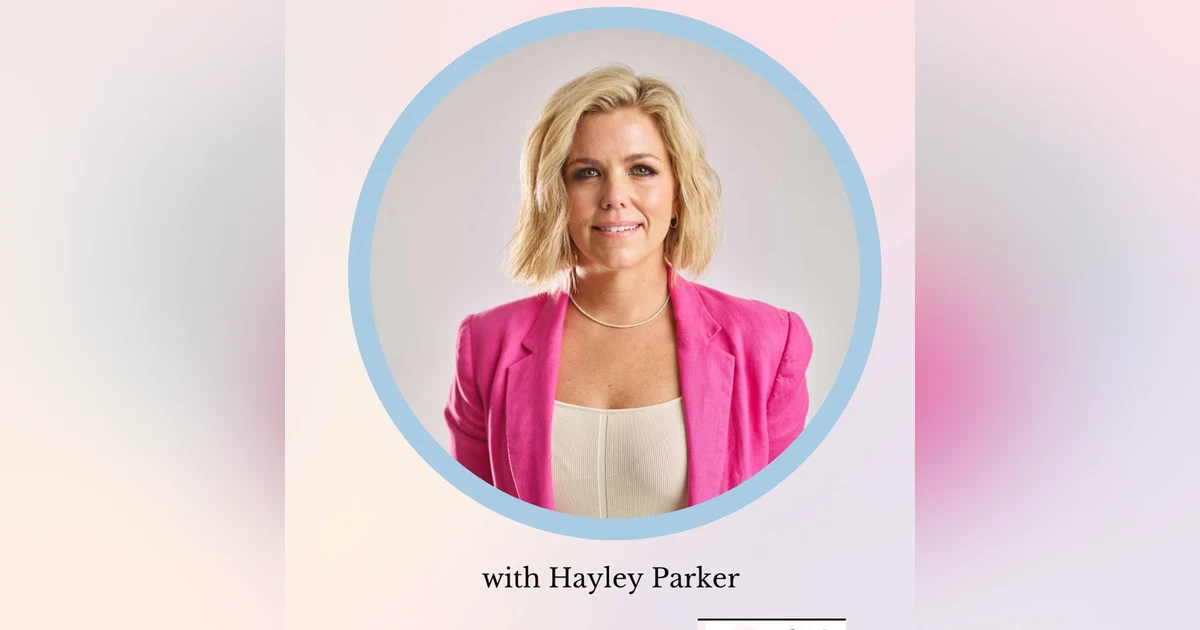
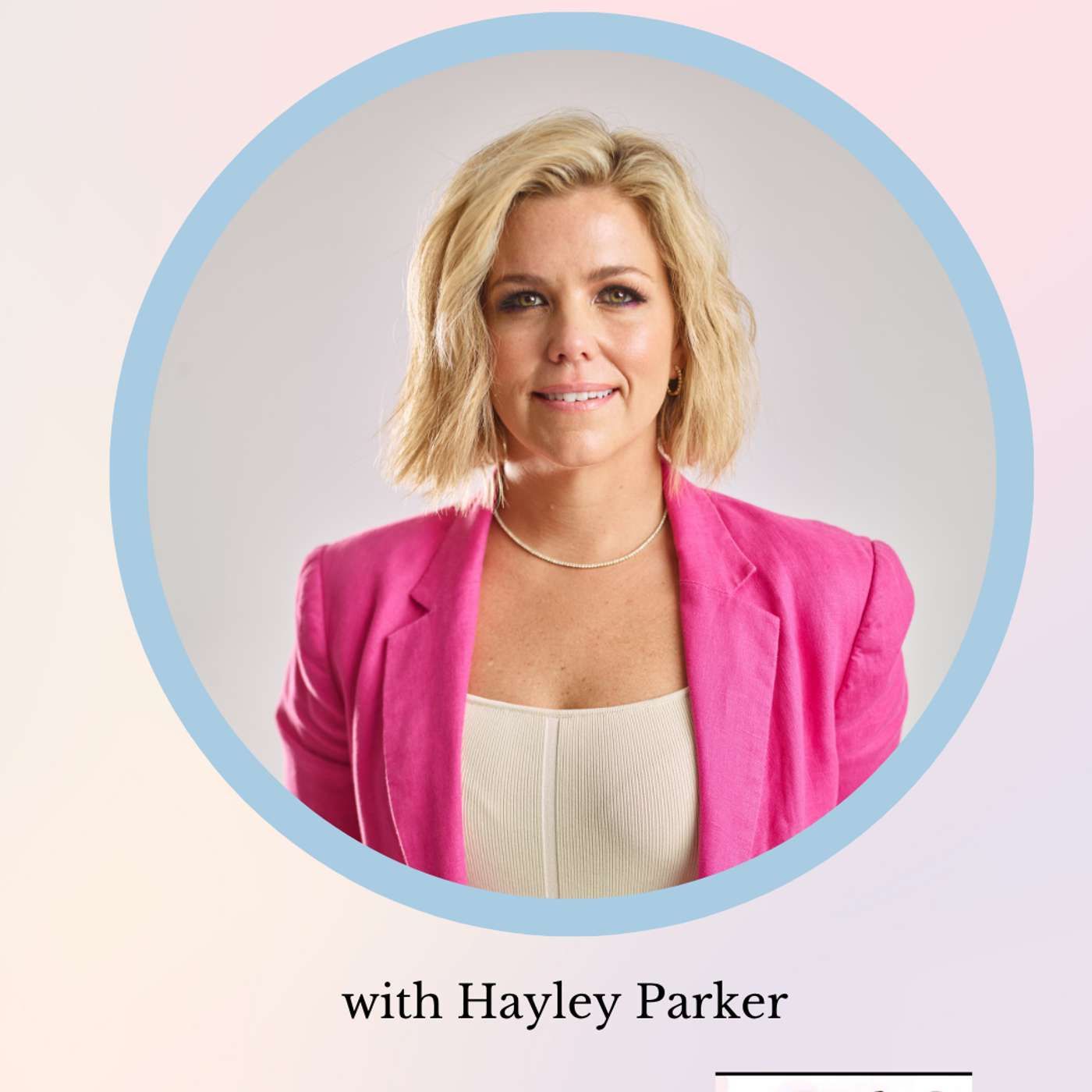
Financial Wellness for Women: Money, Marriage & Building Wealth with Hayley Dickson, CFP

 RSS Feed
- Why Hayley left a successful entertainment career to completely reinvent herself in finance
- Why money remains one of our biggest cultural taboos
- The shame and comparison that keep women from asking financial questions
- What being a “financial life designer” actually means
- Why financial wellness can affect our mental health, relationships, and overall well-being
- Financial independence for women and stay-at-home parents
- Why Hayley prefers the idea of becoming “work optional” instead of simply retiring
- Estate planning, life insurance, 529 plans, and preparing financially for your family
- Tax diversification and the difference between pre-tax and Roth retirement savings
- How sophisticated investment strategies are becoming more accessible to everyday wealth builders
- Prenups, postnups, marriage, and protecting yourself financially
- Whether couples should combine finances or use a “yours, mine, and ours” system
- Why having a shared financial vision matters more than exactly how your bank accounts are structured
- The “middle bucket” Hayley often sees missing from people's financial lives
- Why Hayley hates traditional monthly budgets
- Her planning budget approach to saving, investing, and spending without guilt
- Why travel is the money splurge Hayley will never regret
0:04 Each dollar has a job description. And so a financial life designer is someone that helps you with cashflow, budgeting, limiting beliefs around money. Welcome back to the Running Wine Mom podcast. I'm your host, Samantha Selinsky, aka the Running Wine Mom. Today, we're diving into a topic that can make people break into a cold sweat faster than opening the school email after 8 p.m., money. Because let's be honest, we'll talk to our friends about marriage problems, parenting struggles, postpartum bodies, and that weird rash our kid had last week, but ask us about retirement accounts or estate planning, and suddenly everyone becomes very interested in changing the subject. Today's guest is Haley Dixon. The founder of Ripple Wealth Management, CEO, CFP, and she's on a mission to find financial wellness feel less intimidating and a lot more human. She went from a successful six-figure career in entertainment to becoming the fastest growing advisor in Northwestern Mutual's history before launching her own company. But what I love about Haley's approach is that she doesn't see money as just numbers on a financial wealth as a huge part of our overall well-being, right alongside with our mental health, relationships, physical health, and the life we're actually trying to create. So without further ado, let's welcome Haley.
1:18 Welcome. Thank you, Samantha. Excited to be here. I'm so excited to have you here. So why don't you tell everybody a little bit about yourself? Yeah, sure. So, you know, I turned 44 this year. Start off with that. I grew up in New Mexico and Santa Fe as well as Houston, Texas. Went to Vanderbilt. My mom was very divorced four times, the fourth one by the time I was 23. And so the. Power of money and the power of the importance as a woman of having that financial independence and control in your choices. have embedded in me really early on. And I live out in California. I've got an eight-year-old and a 10-year-old and a husband and a parrot and a bearded dragon. And, you know, just, I love making money fun and exciting. And what you said in your intro was so true.
2:05 It's just the way it comes up and everyone kind of goes, you know, zips the mouth. So yeah, absolutely. And we're definitely going to get into that. But, you know, something that I felt was super important when I was kind of creating this is about women in money, because a lot of times people are like, oh, my husband does this or my husband does that. So we're also going to talk about how women can, you know, get into making sure that they're steady as well. Sorry, my computer froze real quickly, but let me. So you made a terrifying leap from entertainment to finance, and you did not just survive that leap. You became the fastest growing advisor in Northwestern Mutual's history. So can you tell everybody what made you make that change and what is the secret sauce in all of this?
2:50 Yeah. I mean, I think female intuition in general is one of the most powerful tools we have, you know, on the planet. And we really only tap into it about five to 10% of the time. And so I had this fancy job in the entertainment world. I was SVP, the definition of like golden handcuffs. You know, it was a sexy job. I traveled around the world. I was doing international television distribution. And I had the quote unquote dream job and was making great money in my early 30s. But there was still this knock, this knock that we all know, we've all experienced of there's something out there that's bigger and better and is going to allow you to have an impact on people, an impact on the world. And I had no idea what it was, but I got to this point where I just left, like you said, with no net.
3:32 And I went into, for the first time in my life, just some time to think. I was fortunate enough to have saved up some money, and I did yoga teacher training, and that gave me just this profound presence. where I got really. Clear with myself first, which was really challenging that I didn't want to be in entertainment anymore. And then finally starting to whisper it into the world. And the outside influences were like, no, Haley. You're good. This isn't me. You should stay. You just had a bad experience with this last whatever. And I was just like, no, there's something bigger and better. And I was open to what my skills could be transferable into. Because so many of us have this belief that, well, this is what I've done for 10 or 15 years. And that's what I'm going to be able to do. And there's no other way. Yeah, right. And we're brilliant. We're smart. We have communication skills.
4:12 So anyways, I had lunch with my financial advisor and just thinking we were going to go over kind of a portfolio or something. And they started talking to me about doing this. And as I listened, it just felt that intuition was like, wow, I could be really good at this, which is a combination of coaching, nurturing, and then helping people design the life they want to live and creating financial freedom. And so that qualitative and quantitative kind of mix. And so I started and it just, it was right. You know, it was incredibly challenging and super overwhelming and very intimidating, incredibly humbling. But I knew right away that that this is what I was meant to do on this planet. And this is the gift that I have to give. So that's so wonderful. And you use the phrase financial life designer, which feels very different than financial advisor.
4:57 And I love that. Honestly, it does feel less. Intimidating as you know, when you hear financial advisor, what does that mean in real life terms? Yeah, well, If you. Google financial advisor, you know, synonyms for there's 30 different plus terms that come up. Right. And I think it's very using for a consumer to understand what is the financial advisor even do. So that's the first thing. And the thing is, there's just a lack of trust. Like I learned, oh, a financial advisor. People are like, OK, see you later. You know, yeah, it's like running for. And so. I really thought, gosh, you know, what do I actually do? And what I do is I help people and the quarterback, I help people make smart money choices to design the life they want to live and to make it fun.
5:41 You know, so each job has a job description and we, and excuse me, each, each dollar has a job description. And so a financial life designer, you know, is someone that helps you with cashflow, budgeting, kind of limiting beliefs around money, of course, wealth management, risk management, estate planning, all of these things, but it truly is. We work hard to earn money, yet we don't take the time to talk about and truly have fun designing the life we want to live with the money we work so hard to earn. And so financial life doesn't, it is, that is what it is. You know, it feel, it's a partnership. It's a true partnership, you know, with my clients. It's not transactional. Like I think a lot of financials are.
6:24 And that was going to kind of lead me into my next question, because money is right up there with like politics and religion as the ultimate, you know, taboo dinner topic. And so why do you think that we're so terrified to look at our bank accounts when everybody is working and we're afraid to have money, you know, fun with money, but they'll gladly tell a stranger their deepest, you know, relationship drama, but they're not talking about their retirement funds. I personally am always curious about because why are we not talking about it more? Well, well, I think, I mean, it comes from our parents, you know, and, and, you know, people on this listeners or twenties, thirties, forties, you know, typically, and you know, that, that generation of, of people like money was more taboo than ever. And I think that is changing a lot, but it wasn't a topic we would talk about as women.
7:07 If you have a family, you know, you're born in the eighties, you know, early nineties, you know, and it's all, it's all boys. You'll find that they learned a lot more than first and foremost. Right. So I think it's just that upbringing. And then secondly, it's comparison culture, right? It's like, you know, it's so interesting how I work with sophisticated, highly educated, powerful, you know, masterful, you know, women, and they kind of look around them and they think everybody else has it figured out. They think that, they believe that, but they're the only ones that don't know, you know, what their balance sheet looks like or how their 401k works or if they're overspending or not overspending. But actually, it's this kind of, you know, a covert, like epidemic that's happening that no one's talking about.
7:48 And so, I think it has to do with comparison culture and also shame of like, gosh, you know, if I'd only started this five or 10 years ago, if I'd only made this decision or, you know, and I think finally it's like, you know, it's being out of your zone. There's this expectation. It's really strange, right, Samantha? Like that, you know, if I always say like, if I had to go like wire my house electricity, I'm not going to, you know, YouTube or figure out how to do that. I'm going to hire a professional. But for some reason, society puts this pressure on us. They're supposed to know what an ETF is and how to rebalance our portfolios and how to, you know, but like, we're not really. We're never taught that in school. I know. So that's. Yeah.
8:28 And it's interesting because I'm in a lot of mom groups on Facebook. And just before this, I was like scrolling through and someone was like, I want to know what percentage of your net income goes towards your mortgage. And it was so interesting, that thing alone. I'm like, I never thought about other people's income to mortgage ratio. And then I was like, I wonder what ours is. And ours was like on the lower percentage wise. And some people were saying like, you know, 30, 40%, which is like, I mean, I don't know if That's high or low or whatever. But it was just. Interesting to read. It went from like 1% up to 50%. I'm like, this is a conversation that I've never had with my friends sitting down behind a glass of wine. And it's what other conversations are we not having that that we can be aware of? is what I was kind of thinking.
9:14 I think it's like, you know, people have an expectation that there is a, this is what's right and this is what's not right. The percentage of, you know, internet income as an example. And there really, there's a range of things or there's like the, here are the one-on-one foundational elements of what should exist kind of in your financial ecosystem. That's something I talk about, you know, a lot is each individual, each family has their own financial ecosystem. And the mix of what is inside of that in terms of, you know, how much risks you're. Taking, the liquidity of it, the tax treatment of it. It's going to vary depending on, you know, where that person is, what their goals are, and, you know, what their resources are. And so I think one of the biggest things is that holds people back from really leaning into, you know, their financial wellness is they feel like they don't have enough to be worthy of a financial advisor or they don't know who to trust. You know, I think that's really changing from this idea of, hey, you know, I'm a Goldman Sachs.
10:15 Like, bro finance guy. And, you're a great person, but come to me when you have 10 or 15 or 20 million net worth. Well, that's what exists, but the world we're in now is much more accessible in terms of finding that advice that's bespoke to you versus TikTok telling you to do something that is probably totally meant to your life and your world. Yeah, it's so true. So we are on the running wine mom. So I have to ask if your financial personality had a wine label, what would the bottle say? What would the bottle say? So I love natural wine. I'm a big like pet mat. So I don't know. Pet mat forever. I love it. I love that.
10:57 And, you know, speaking of organic, we talk about financial wellness as the missing piece of the longevity conversation. We do skincare routines. We have organic wine. We buy the organic groceries. We log our miles. Why do you think that financial wellness is such a a topic that is not in when we're in our 20s and 30s, the conversation of our seven-step wellness, you know, our skincare routine before bed. Why are these not bigger topics for women, really, I think, especially? Samantha, you bring up such a great point and something that I focus on a lot is financial wellness, as I would argue. I mean, I'm biased. This is what I do, you know, for a living. And I often call myself a financial therapist as well. But having financial wellness, you know, like clarity and peace in your money choices. That's how we define financial freedom.
11:50 And when I invite clients into the to work with us, it's like we want to get you to clarity, confidence and peace in the first six months. Because what that does is having that feeling inside of you that you're making smart money choices, no matter. If you're single, married, kids, no kids. 25 or 75 creates, I'm getting goosebumps talking, creates this kind of golden light that attracts everything else in your life and detracts the things in your life. Because having that confusion or that avoidance of financial health, which most of us have, creates this little tick cancer, this little toxicity inside of who you are. And to answer your question, like, why aren't we talking about it? Well, because it's really freaking hard to talk about it because we all hold something And we all have our own money story.
12:37 For me, it was like going from having money to not having money with all of the marriages and divorces. We all have something. And then we trauma compare too. It's like, oh, who am I to like feel. Shame about money, you know, where I've never really had to worry about it. Like that's a real thing, you know? And so when I first talked to somebody in like an initial session, I would say 20 to 25% of people cry. within the first five to 10 minutes, they show up very like, you know, hard wall, you know, and then I, and then they start to open up and it's this, that is, and that's what, that's why we're called ripple to that first little bit of momentum, that first little right of just shame talking about like, what took you so long to get here?
13:21 What are your excuses? What are your limiting beliefs? Once they can verbalize that, then like everything opens up and it's that moment of verbalized feel really comfortable doing with your friend over a glass of wine on a Friday afternoon because, you know, you wouldn't be in pain that I've got it all figured out, you know, mindset around money particularly. You know, it's less vulnerable to talk about the other topics where you're feeling less aligned and clear and confident. And I want to get into Ripple in a second, but the one thing a lot of moms are listening, and we remember every dentist appointment, shoe sizes, and every school form. But many of us, especially those who are the primary caretakers versus out in the workforce, our job maybe is a lot of stay-at-home moms. And they avoid that conversation about the retirement account or what their life looks like if you know, maybe they get a divorce or, you know, they're not putting anything into a retirement fund while they're taking.
14:24 Care of the household. What advice would you give for those? That is so detrimental. I mean, that's shotgun to the foot. Because, you know, everyone, you know, when you're in that moment and, you know, you feel like your partner, you know, is going to take care of you and is making all the right choices for you. And hopefully that's the case. And hopefully you, you know, have that, that, that beautiful life. And I have, I have some of my absolutely most just clients that fill my heart and give me purpose are my single, like divorced women who never thought they would be at this place where they are at with their age, having to really. Learn for the first time how these instruments. Work and undercovering, undercovering a lot of the things that their partner's, did or more often didn't do. And so I think a lot of the times, you know, when we're in that space and we're that, you know, that stay-at-home parent, maybe you're like, I'm not a numbers person or my partner has it all figured out. you know, but, but that's really, again, the limiting belief you're telling yourself.
15:22 And I would say the first step I would do is say, you know, honey, you know, I trust you inherently. And I'm so grateful for, you know, the, the, the, the leadership you've shown as a CFO of our household, but I would, I wouldn't learn more. You know, I want to be part of these means of the financial. I want to understand, you know, one of the terms that I, I use, I don't use the word retirement because I don't know, we don't really do that anymore. There's like a change with pace or, But I call it work optional. So at some point, Samantha, you're going to want to be work optional, right? So saying, I want to know where we're headed. You know, I've got a three-year-old and a seven-year-old and a 10-year-old. And, you know, when they walk to college, like, where are we work optional at that point? Are we, you know, so just that curiosity, not the judgment of like, I want to oversee, but the, hey, I want to learn, I want to understand.
16:08 How can I be involved? You know, I think that's so important to start educating yourself. Yeah. Yeah. And so you launched Ripple Wealth Management with a mission to democratize sophisticated financial strategies. What is one piece of financial advice or a strategy that maybe the ultra wealthy people use all the time that the average everyday entrepreneur or first generation wealth builder has no idea exists? There's so many. So let's see. So a few come to mind. And you said that really well, Samantha. What I'm trying to do is bring... you know, 10-figure net worth strategies to nine and nine to eight and eight to seven, and most importantly, seven to six, right? And so moving from just a basic index fund portfolio as an example to something more dynamic and dimensional.
16:55 So one of the things that I would urge. Listeners to explore, and all of this is becoming much more accessible than it used to be, is private companies, meaning you can get access to through different funds that are out there. I won't mention anything now, I can't, but to private companies. So companies are staying private way longer than they did in the past because they have more control, right? And so things like SpaceX, OpenAI, these are all private companies. And so really understanding what kind of funds can I get into that have private companies because the capital to market assumptions there are expected to be pretty good. So just widening it out from just the S & P 500 into not only private companies, but there's so many other asset classes you can invest in.
17:43 The second thing that I would say is creative and intelligent leveraging. So what does that mean? My goal for my clients is to become their own bank. And so what I mean by that is if you can grow your assets inside of what's called a taxable account, so not retirement, but a taxable investment account, you can use that as collateral to get a loan from a smaller bank. And so, for example, you know, and this is kind of a higher end thing, but don't be intimidated by it. Most people know what a HELOC is. It's a home equity line of credit. So you have a home that you and you can get a loan, you know, using that home as collateral, which gives you a lower interest rate. Well, if you have a, let's say a taxable investment account that has $ 500, 000 in it, I'm making it up.
18:29 It could be 200, could be 100. You can get a loan for. Like 50 to 60,000 from that account without taking the money out of the account. And so hopefully listeners. Are with me a little bit, but if you wanna buy an appreciating asset, that's why you would take the loan out to buy like a house or put a down payment on something. Instead of having to take money out, pay taxes, and then the opportunity cost of that money not being in there, you can use a securities back line of credit Google it or Claude it or chat to keep the dollars in and continuing to have that growth and buy an appreciating asset. So that would be another thing that I would think about. I don't know if that was too nerdy. I can get nerdy. No, I love that.
19:10 This conversation, to my listeners, it's for you, but really, I'm learning so much from it now. No, I love this conversation. You know, I think it's super important that we learn about those things because I didn't know that. I just learned something new, which is really exciting and important. So a lot of people listening have families. What is corporate family planning actually when you should be doing 529? Should we be putting in like a trust, like how to plan for your kids financially? Yeah. So you mentioned a trust, which sometimes those words, that word is very intimidating and complicated and people have this perception. That, oh, I'll just get a trust and I'll put some money in there and never pay taxes again. That's not quite how it works. But some just foundational estate planning, my belief is whether you have kids or own property or not, if you have stuff and you love people, there's stuff and you love people, then you should have an estate plan. So, you know, a will or a trust that says, God forbid you pass away. What do you want to happen with the stuff that you have and the people that you love? And so the basic trust that you want to have is a revocable living trust.
20:19 Outside of that, there's all different kinds of cool trusts you do, you know, but that's the basic thing that especially if you have children and you don't, if especially and you don't have a trust, it's something to really think about. And there's all different ways of doing it, working with an estate planning attorney, or there's certain kind of online, you know, sites that are like TurboTax for, you know, estate planning that you can use. But that's something really important. You know, I would say life insurance is another really big, important thing that, you know, that people don't think about or, you know, they think, oh, I'll get it one day. And, you know, we hope it never happens to us. But I have had families who've passed, you know, spouses have passed away in their mid to late 30s and no life insurance. And it's just absolutely tragic with children and a mortgage.
21:00 And so just making sure you have that. 529s, I mean, I love 529s. You know, 529s are definitely the most effective and efficient way to save for college. You can also use up to $ 20, 000 per year per kid now for K-12 because you don't pay any taxes. On the gains. We love that. However, they are not super flexible. You have to use them for, you know, what's called the qualified education. you know, education costs, the tuition, room, board, et cetera. Totally depends on the family. But for me personally, I fund a 529 for my kids. I'm not trying to max it out because, you know, there are some things you do, like roll it over into a Roth IRA and put it in a trust for grandchildren, things of that nature.
21:41 But I think that's basic. The other thing, you know, just in terms of the, you mentioned like kind of corporate kind of thinking, I think as your family, like kind of a business, I think is what kind of thing. And so having retirement savings This is so big. Going back to what you asked me earlier, Samantha, about democratizing financial planning. Most people on this planet are contributing entirely to a pre-tax retirement vehicle. What does that mean? They're going to defer taxes because they're like, oh, I'll do crap later. Let me defer those taxes. Okay, cool. Well, now you're setting yourself up for the worst kind of tax that the government can the tax code, you know, has, which is income tax. So, and you're deciding, hey, I'm going to pay taxes on whatever I think the government's going to have the tax, you know, marginal tax rates be in the future.
22:31 Right. Which most people do want to be higher. And so if there's one thing you can take away from today is that, you know, diversification and tax treatment contributing to a Roth and a pre-tax vehicle depends on the family, how much you need to vote. But this is one of the myths people think, oh, I make too much money to fund a Roth. Have you heard that? I have, yeah. Yes. Well, first of all, if your company offers a Roth 401k, which most do, there is no income cap. And then there's also something called a Roth that you can do. And so I think tax diversification and thinking about future taxes is so critical. That's great advice. Again, I'm going to make my husband listen to this whole episode. So another thing.
23:16 listen together in that discussion over wine. Yes, yes, absolutely. We love he loves finances and just like learning about all this. So this is going to be definitely one that he is like excited to hear about and his wheels will be turning afterwards. And obviously, I am already married. But let's talk about prenups. It's often viewed as like the ultimate romance killer. Let's hear what your opinion is and how do we reframe a prenup as like an act of love and partnership? I don't know if you read the book. I think it's called Stranger. It just recently came out and it was like very eye-opening about why I feel like anybody should get a proper prenup. It was like an autobiography sort of or, you know, a recap of what had happened.
23:58 But anyway, talk to me about prenups. Yeah, I think romanticizing prenups is sort of how I actually think about it because 30% marriages end up in divorce. And I don't know the percentage, but I have life experience. That large majority of those, you know, end up way because of finances. And, you know, I think just as you would approach, I mean, the most important transaction that you're ever going to make in your life is choosing your partner. And so, you know, the most important transaction should be thoughtful, right? Right. And so, you know, I think it's, I mean, listen, if there's, Major disparity in the wealth of the families. That's going to be a non-starter. Right.
24:39 But what I often see happen and what I'm going through now with a lot of my clients is, and this is women in their, it's like the gray divorce, right? So they're, you know, between 52 and 58. And when they started in the marriage, they were the breadwinner. They were making most of the money and they were supporting, you know, and there's a husband. Then they have kids and the husband kind of takes off and the traditional role, you know, took over. And now they're going through a divorce, right, or. Have just finished a divorce where they haven't worked in 20 years, right? And one woman I was just talking to a couple days ago, her main thing was paying down the mortgage with anything she earned. And so she sunk so much into the equity of the house, but now it's being split. And so, you know, I think it's really important, right? It's important to really Whether it's a prenup or a postnup or just, you know, understanding like and documenting like your contributions to the household are critical.
25:35 Yeah. So important. And how do you advise couples to structure their day-to-day accounts? Are you the yours, mine, and ours, like the three-pot system? Or do you believe everything should be in one pot? So it depends. But I think what's more important, I'll tell you the different kind of ways that I think about that. But I think what's more important than anything is having collective vision. Right. Around financial goals. So, you know, maybe you have everything go into one joint operational account and that's it. And that works and that's fine. Or you have kind of a joint operational account and you each have your own individual accounts. Right. Because you might want to buy just whatever, like not be judged for the shoes. Like, fine. You know, but so it matters less, I think, in terms of just the tactical structure of the accounts and more on the transparency and openness and conversation around collective spending and.
26:22 You know, so if I have a, and this happens often, I'll have a first conversation with somebody and, you know, they'll say, you know, I just want to get my own finances, you know, together. You know, my, my husband has like, you know, his guy and na, na, na. And I'm like, that's great. He can keep having his guy, but I would like for him to be involved in these conversations because that's how you are going to develop and grow as a couple is having this collective vision. Because it doesn't serve you for me just to talk with you because he's part of the picture whether you want him. To be or not. So that compensates me. and breaking down those barriers. I do. I am a therapist in so many ways, you know? Yeah. Yeah. We do the, we do the yours, mine and ours, and we've never gotten in an argument about finances.
27:03 But when we told my dad, like, that's how we do it. Oh my God. He like almost shirked out. He's like, what do you mean? It's not together. You know, I said, it's how people are just doing things differently. We talk about finances all the time. We have a joint account where we put money in, but then we also have We're both full time working and we kind of can figure out what we can pay for, which has, you know, and, you know, we talk about retirement and all that. But so I think that makes me feel better. Just curious, what was your dad's sort of why was he so? Well, I think it is. I think he couldn't envision because my mom was a stay at home mom. Like, so obviously they had to have one account. She worked like little jobs here and there.
27:47 So they just put everything in my dad's rather. So I'm like, well, you guys only had one full time worker while my mom was the home worker. So he was just like, I don't think he could really like grasp that other people did it differently than what they did. I'm like, well, what did you want mom to have? Like, Yeah. Were you going to pay her weekly? I don't, you know, you had to have it kind of together. Um, and I think like that mentality, maybe with the old school mentality of having everything together too, but I'm always just interested what the, how people do it. Yeah. Yeah. So let's do some quick fires. What is the biggest money mistake you see people making?
28:28 The biggest money mistake that I see people making is an imbalance in their balance sheet. So when I look at someone's ecosystem, I'll see two things typically, which is cash and retirement, maybe property too. But there's a lot of space in between now and retirement. And so one of the biggest things I see missing is just a regular non-retirement taxable investment account that's liquid can be used for down payment there's no penalty it's more tax efficient right than the other vehicles so i think that's the biggest mistake that middle bucket is often missing and has and if it exists it's like just some legacy stocks right so you know attributing to it consistently like dropping some money into it you know consistently.
29:11 So important what's the biggest money slurge you've never regretted. Travel you know like when i talk designer like you know I think people have this fear of working financial advisor like I'm going to make them save so much they can't live hell no you know I mean I'm all like I want to make smart decisions pay less in taxes and put money in the life you want to accelerate joy so I'm big into like why until you're 50 you can do it at 40 right and I think it's you know it's it's there's this belief that I can't do both and you know and I've worked so hard to get at this point don't tell me if I can spend my money or. Not how and when and why but you can do and it feels so good to be to be structured and strategic and go you know on an amazing trip and treat treat your family your friends to some I think that's critical.
30:00 And what's one financial habit everyone should steal from you? Have a planning budget. So this is one of our core planning philosophies. So I hate monthly budgets. Hate them. People are like, what? Right? I mean, every single person is like, oh my God, thank God. You know, they're, they're like, I just thought it was me, you know, when I make a date with my husband at four o'clock on a Sunday to go over our budget and never do it. And we both know it's on the calendar and ignore it. That's just me. No, they can't live on a monthly budget. It's impossible. Every month is different, especially with young kids, et cetera. So what I would instead is I flip it and say, let's have a planning budget. So what does that mean? On an annual basis, how much can I put towards growing my net worth, hitting my goals and agree upon it?
30:44 Here's just the quick little formula, if I may. So Let's say that you make $ 200, 000. I would like the planning budget to be ideally 20% of that. So $ 40, 000 a year. So then we say from that $ 40, 000 a year, how am I going to, like I said earlier, what's the job description for each of those dollars? We got retirement. We need the emergency. We need that taxable kind of midterm account. We got 529s. We got some insurance strategy stuff. And so having a planning budget and then doing that first, and then I don't care what whatever's left over. You can spend as long as you. First, then you want to also get that permission for, for, for spending and not feeling shame. Should I buy this or should I not?
31:25 Yeah. If you're doing your planning, go for it. Good. Yeah. I feel like that is like, I've never heard anybody. Yeah. I've never heard anybody say it like that, but it makes it feel less restrictive, I guess, you know, that's awesome. That's right. And then, and I'll add one thing if I can to that is, So the planning budget works in conjunction with the cash floor ceiling. So what I mean by that is most of us are trying to look at our spending and we give up and so we never even look at it, right? So let's say that you spend $ 10, 000 a month. I want you to have between $ 30, 000. And $ 60, 000 in your emergency lifestyle fund. And when I have meetings with my clients, the indicators I say is, okay, Samantha, let's see, what is your cash right now in your checking and savings?
32:11 $ 45, 000, you're good. Maybe it's 20. Okay, cool. This is not a slap on the hand. It's like, what's going on? Are you just overspending or did you have a big, you. Had to buy a bunch of tires and medical costs? If it's over 60, if it's 70, well, then we take that 10,000, we get it working for you. So those are the two things. You do the planning budget, which should keep cashflow and planning, right? And then you have that 30 to 60,000, that three to six months, maybe 12 months. If you're a business owner. And that's the one thing we look at to say, How is your spending under control or not under control? Simplify. We don't have time to be thinking about. Maybe I should go and change from Geico to State Farm. Like, we don't have time for that.
32:52 Right. Yeah, so simplify. Oh my gosh. Well, this is like so informative for myself. So I know that everybody listening is just going to take so much from this. So I'm going to end with one last question. Your financial freedom, as you kind of mentioned, it doesn't start when you hit a million dollars. Can you leave the listeners with when does that moment start when you decide to do what? I would say. Again, financial freedom is a state of being. It is an emotional state, which is clarity and confidence in your money choices. And so I would say the biggest gateway into financial freedom is having that planning budget. And you can do it with a financial advisor. You can do it on your own. But start, it's just like when you're contributing to a 401k, it happens consistently.
33:40 It's automated. You don't think about it. So you need to automate your planning budget across all of those elements. And so, and I would also say, when are you worthy, you know, or ready to work with. A financial advisor? It's when you have a surplus, when you have a planning budget. If you're paycheck to paycheck with a bunch of debt, We've got to work on the debt first. It doesn't make sense to work with an advisor yet. But if you have surplus or maybe you think, gosh, maybe I don't. It's a leaky bucket, but I should have surplus. I know I could have surplus. Then it's time to work, you know, with a financial planner. All right. Well, thank you. Thank you so much for making a topic that can feel overwhelming. You know, it seems so much more approachable and empowering and less scary for me personally after this conversation. So hopefully for those that are listening, they feel the same.
34:23 So thank you so much, Hayley, for coming on. I appreciate it. Thank you so much. I hope you leave with this just feeling like money is sexy, fun, adventurous, exciting, not heavy and overwhelming and taboo. Like let's revolutionize the way people feel about money, right? You know, totally change it. So thanks for giving me the opportunity to share. Yeah. And so thanks so much for everyone listening, for spending time with us on The Running Wine Mom. Don't forget to subscribe, leave a review, and share this episode with someone who needs to hear it. You can follow me on Instagram at TheRunningWineMom underscore. And Haley, where can the listeners find you? I know you kind of mentioned, but anywhere else that they can go to? My Instagram, Haley, H-A-Y-L-E-Y-W, Dixon, D-I-C-K-S-O-N.
35:06 And on LinkedIn, and then Ripple, which is no E, R-I-P-P-L dot N-N dot com. Awesome. Well, thank you so much for joining me today. Remember, you are strong, you are capable, and you are all amazing. Until next time, keep running, keep sipping, and keep embracing the joy of motherhood. Cheers, and I'll be back next Tuesday.